
Which Waterproof Oxford Material Are Best for Bags, Covers, and Outdoor Products?

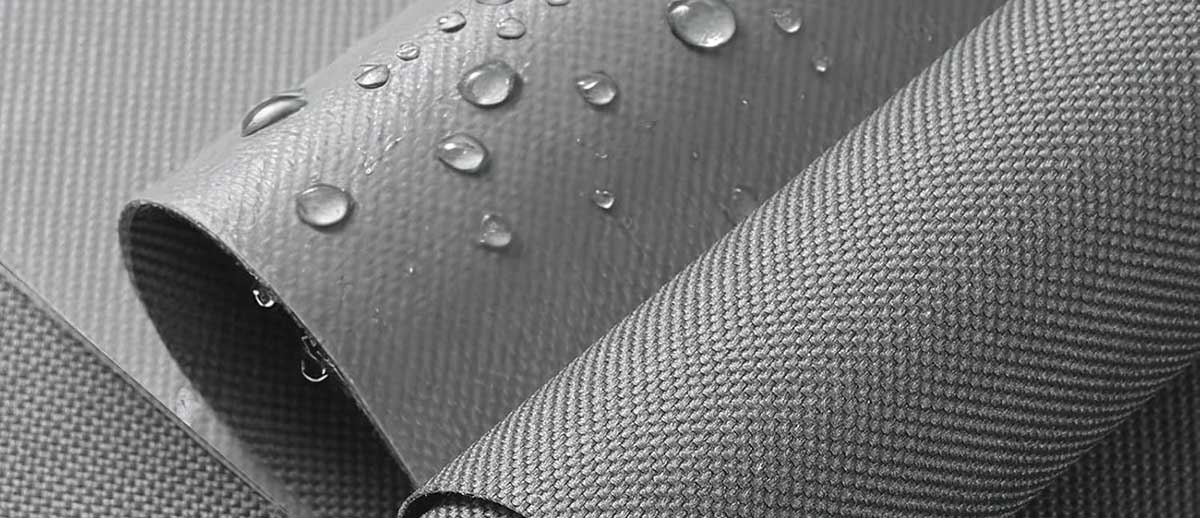
Oxford fabric remains a staple item in industrial textile manufacturing due to its light, durable, versatile, and cost-effective qualities. Characterized by a basketweave structure, this lightweight fabric gains significant utility when treated for water resistance, making it easy to handle and suitable for portable applications. Oxford fabric is commonly used for outdoor and protective products alongside other fabrics such as Gore-Tex and eVent. For manufacturers and procurement managers sourcing materials for outdoor gear, luggage, or upholstery, understanding the nuances of waterproof Oxford material is critical for product success.
Oxford fabric is frequently used in applications such as tent making, banners, slip covers, and bags, highlighting its versatility and common usage in these contexts.
MH acts as a dedicated manufacturing partner, supplying high-grade Oxford fabrics on a make-to-order basis to suit specific production requirements. This guide outlines the technical specifications and sourcing strategies for professional buyers.
Note: To maintain the quality and longevity of Oxford fabric, avoid prolonged exposure to direct sunlight and store in a dry, well-ventilated area.
PU Coated Oxford Fabric: Durability Meets Performance
Waterproof capabilities in Oxford fabric are primarily achieved through coating. PU coating is a popular choice for garment and gear manufacturers because it creates a lightweight, flexible, and waterproof barrier without compromising the fabric’s drape. The water resistance of Oxford fabric is achieved through its polyester composition and a waterproof coating, which work together to prevent water penetration. Additionally, Oxford fabric is known for its durability and resistance to rips and tears, making it an excellent choice for items like bags, tents, and clothing that require both strength and waterproof performance.
PU vs. PVC Coating
While Polyvinyl Chloride (PVC) coatings offer extreme durability and lower costs, they are heavier and less flexible than PU. PVC is often reserved for heavy-duty tarpaulins, whereas PU is preferred for backpacks, tents, and performance wear where weight is a factor.
Sustainability Options
Environmental regulations are tightening globally. MH offers PU-coated Oxford fabrics that are PFAS-free, aligning with modern ecological standards and meeting the compliance needs of European and North American markets.
Quality Control and Testing Standards
Sourcing reliable fabric requires rigorous testing. Procurement managers should demand transparency regarding the following metrics:
-
Hydrostatic Head Test: This measures the fabric's resistance to water pressure. A rating of 1,500mm to 3,000mm is standard for general outdoor use, while extreme conditions may require higher ratings.
-
Certifications: Suppliers should provide OEKO-TEX Standard 100 certifications to ensure the fabric is free from harmful substances.
-
Physical Durability: Require data on tear strength and abrasion resistance (Martindale test) to ensure the material can withstand end-user wear.
Industrial Applications: Furniture and Marine
Selecting the correct specification determines the longevity of the final product. Oxford material waterproof is commonly chosen for outdoor cushions, upholstery, and toss pillows, making it a versatile option for various home decor projects. Additionally, Oxford fabric is frequently used for beach chairs, folding chairs, patio furniture, and protective covers due to its ability to withstand exposure to sun and rain.
Patio Furniture Upholstery
For outdoor cushions and upholstery, breathable yet water-resistant Oxford fabric is essential to prevent mold growth inside the cushion. UV resistance is equally critical to prevent color fading after prolonged sun exposure.
Marine and Boat Covers
Boat covers demand heavy-duty protection. A high-denier Oxford fabric (600D or higher) with a substantial PU or PVC coating provides the necessary defense against saltwater spray and harsh weather.
Fabrication Best Practices for Waterproof Oxford
For garment factories and assembly lines, handling waterproof Oxford fabric requires specific production adjustments to maintain the integrity of the coating.
Cutting and Sewing Specifications
-
Cutting: Sharp industrial blades are required to prevent fraying, particularly with uncoated edges. Heat cutting can seal edges effectively during the initial processing.
-
Sewing Settings: Use a longer stitch length. Short stitches perforate the fabric excessively, weakening the waterproof barrier. Synthetic, rot-resistant threads are recommended for outdoor products.
Seam Sealing
A waterproof fabric is only as effective as its seams. For tents, awnings, and waterproof bags, manufacturers must apply seam sealing tape or liquid seam sealants during assembly to prevent leaks through stitch holes.
Buying Guide: Key Metrics for Procurement
When placing make-to-order requests with MH, buyers should specify:
-
Denier (D): Indicates fiber thickness. Oxford fabric is available in various denier options such as 210D, 420D, 600D, 1000D, and up to 1680D, which indicate the thickness of the fibers used. 210D is lightweight (bags), while 600D or 1000D is heavy-duty (luggage, covers). Common variants of Waterproof Oxford material include 210D, 300D, and 600D, referring to fiber density and thickness.
-
Weight (GSM): Grams per square meter. Heavier fabrics generally offer greater durability.
-
Canvas Thickness: The thickness of the canvas used in waterproof Oxford fabric typically measures approximately 0.40 mm to 0.55 mm.
-
Colors and Patterns: The fabric is available in many colors and patterns, allowing for customization in design.
-
Project Scale: Oxford fabric can be used for both small and large scale projects, making it versatile for various manufacturing needs.
-
Applications: Waterproof canvas fabric is suitable for backpacks, toss pillows, chair pads, awnings, cushions, tote bags, and heavy-duty travel accessories.
-
Stock Availability: MH maintains ample stock of Oxford fabric for quick purchase and bulk orders.
-
Solution-Dyed Options: For products exposed to sunlight, solution-dyed fabrics offer superior colorfastness compared to piece-dyed alternatives.
Manufacturing and Sourcing Logistics
MH specializes in B2B wholesale with a focus on customized mass production.
-
MOQ and Roll Lengths: Minimum Order Quantities (MOQ) apply to all custom orders. Standard roll lengths are typically 50 meters or 100 meters, optimized for shipping and factory handling.
-
Lead Times: As a make-to-order manufacturer, lead times vary based on customization levels (coating type, color matching, UV treatment).
-
Documentation: Always request batch certificates and test reports prior to shipment to ensure the production run meets the approved sample specifications.
Technical Comparison: Coated vs. Uncoated
|
Feature |
PU Coated Oxford |
Uncoated Oxford | |
|---|---|---|---|
|
Weight |
Lightweight to Medium |
Heavy |
Lightweight |
|
Flexibility |
High |
Low (Stiff) |
High |
|
Waterproof |
Excellent (Hydrostatic Head >1000mm) |
Excellent (100% Barrier) |
Breathable (Not Waterproof) |
|
Best Application |
Backpacks, Tents, Rainwear |
Boat Covers, Tarps |
Linings, Indoor Use |
|
Durability |
Good Abrasion Resistance |
High Abrasion Resistance |
Moderate |
Next Steps for Buyers
Securing the right material is the first step in high-quality manufacturing. MH provides a comprehensive range of Oxford fabrics tailored to industrial specifications. Contact the MH team today to discuss MOQs, request samples, or initiate a custom production run.