
What Are Spunbond Nonwovens and Why Are They Essential for Industrial Procurement?

Spunbond nonwovens represent a critical component in modern manufacturing, serving as the backbone for industries ranging from hygiene and medical sectors to construction and agriculture. As a versatile material, spunbond nonwovens offer broad applicability due to their durability, breathability, and cost-effectiveness across multiple industries.
For procurement managers and distributors, understanding the technical specifications, manufacturing processes, and application suitability of these fabrics is essential for optimizing supply chains. The benefits of spunbond nonwovens include superior performance traits such as high filtration efficiency, strength, and environmental friendliness.
Spunbond nonwovens are essential for hygiene products, medical applications, agriculture, and filtration.
MH acts as a premier integrated industrial and trade partner, supplying high-performance textiles to professional buyers globally. This guide provides a technical overview of spunbond nonwoven technology, helping B2B buyers navigate material selection and customization for bulk orders.
Overview: Spunbond Nonwovens and Nonwoven Fabrics
To specify the correct material, buyers must first distinguish between fabric types. Nonwoven fabrics are engineered sheet materials made from fibers bonded together by chemical, mechanical, heat, or solvent treatment. Unlike woven or knitted fabrics, they do not require the conversion of fibers into yarn.
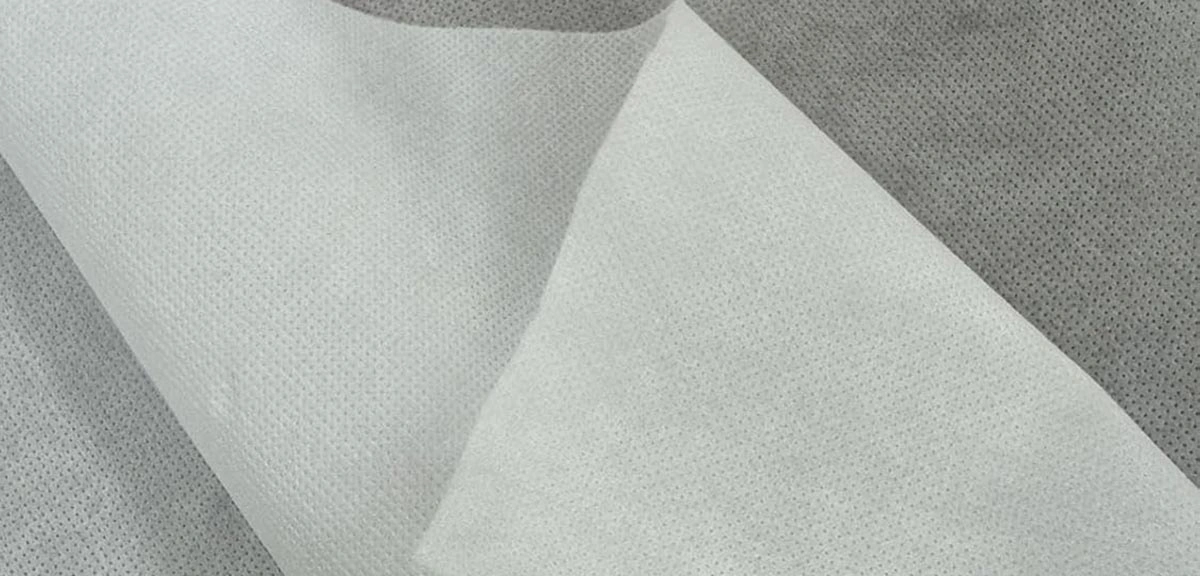
Spunbond nonwovens specifically refer to a category of nonwovens produced in a continuous spun bond process. Polymer granules are melted and extruded into filaments, and these fibers are spun from the melt. The spun filaments are then laid onto a conveyor belt to form a web. Web formation is a critical step, as it involves the uniform deposition of the synthetic fibers to achieve the desired properties in the final material. This web is bonded—typically thermally—to create the finished fabric. Spunbond nonwovens are made in one continuous process where synthetic fibers are spun and directly dispersed into a web. The spunbonding process involves melt spinning, where the melt is forced through a spinneret with many holes to create filaments. Spunbond nonwoven fabrics are made by bonding together extruded spun filaments of polypropylene or polyester to create a consistent web of material. The result is a material that offers high tensile strength, breathability, and cost-efficiency.
Spunbond vs. Woven Fabric and Melt Blown
Selecting the right material requires comparing performance characteristics against intended use cases. Among the popular methods of nonwoven fabric production are spun bond and melt blown processes, each offering unique properties. Spunbond nonwovens are known for their strength and durability, making them ideal for products requiring robust performance. Melt blown fabrics, on the other hand, provide excellent filtration efficiency due to their fine fiber structure. Both spunbond and melt blown methods are suitable for various applications, including medical gowns, industrial materials, and other demanding uses, depending on the specific requirements of the end product.
Spunbond vs. Woven Fabric
Woven fabrics are created by interlacing two sets of yarns. While they offer superior durability for heavy-duty applications, they are slower and more expensive to manufacture. Spunbond nonwovens are strong fabrics that provide a lighter, more economical alternative with sufficient strength for many uses. They are highly suitable for disposable or semi-durable applications, such as medical gowns or agricultural covers.
Spunbond vs. Melt Blown
Melt blown nonwovens share a similar manufacturing origin but result in a much different structure. Melt blown fibers are ultra-fine, creating a dense web with excellent filtration properties but low tensile strength. They are widely used in filtration applications such as air and liquid filters. Spunbond fibers are thicker and stronger, offering high strength and tear strength as key mechanical properties.
-
Use Spunbond for: Structure, strength, high strength, tear strength, and durability (e.g., tote bags, outer layers of masks).
-
Use Melt Blown for: Filtration and absorption (e.g., the middle layer of N95 masks, oil sorbents).
Spunbond nonwoven fabrics are commonly used in filtration applications due to their efficient filtration properties and low resistance.
PP Spunbond Nonwoven Fabric: Materials and Grades
Polypropylene (PP) is the dominant polymer used in spunbond manufacturing due to its chemical resistance, low moisture absorption, and favorable cost-to-performance ratio.
MH supplies PP spunbond nonwoven fabric in various specifications tailored to industrial needs:
-
Basis Weight: Typically available from 10 gsm (grams per square meter) for lightweight hygiene products up to 150+ gsm for heavy-duty geotextiles.
-
Tensile Strength and Elongation: High-quality PP spunbond exhibits multidirectional strength. Technical data sheets (TDS) verify elongation percentages to ensure the fabric stretches without tearing under stress.
-
Bonding Process: Spunbond nonwovens are often thermally bonded, where heat and pressure fuse fibers at contact points, resulting in durable and flexible fabrics suitable for demanding applications.
-
Additives: Masterbatches can be added during extrusion to impart specific properties, such as UV stabilizers for agricultural use, flame retardants for furniture, or anti-static agents for protective apparel.
Nolar Industries provides flat bonded and point bonded spunbond nonwoven fabrics in various weights, widths, and colors.
Spunbond nonwovens are widely used to create finished products with enhanced strength and quality, especially in construction, concrete reinforcement, and other engineering applications.
Manufacturing: Spunbond and Composite Methods
Understanding the production flow highlights the scalability of these materials. MH operates on a make-to-order model, utilizing continuous production lines that ensure consistency across large volume orders.
Spunbond Process Flow
-
Filament Extrusion: Polymer chips are melted and forced through spinnerets.
-
Attenuation: Cool air stretches the filaments, orienting the molecular structure for strength.
-
Web Laying: Filaments are deposited onto a moving belt in a random arrangement, ensuring isotropic strength.
-
Bonding: The web passes through heated calender rolls, bonding the fibers to form a stable sheet.
Composite Formation (SMS)
For applications requiring both strength and barrier protection (like surgical drapes), manufacturers combine processes. SMS (Spunbond-Meltblown-Spunbond) creates a tri-laminate fabric. The spunbond layers provide high strength, contributing to the fabric's superior mechanical properties and durability, while the internal melt blown layer offers bacterial filtration.
Bonding, Finishing, and Converting
Post-production processes define the final texture and functionality of nonwoven fabric rolls.
-
Thermal Bonding: The most common method, using heat and pressure. 'Point bonding' creates the characteristic diamond or dot pattern, keeping the fabric flexible.
-
Lamination: Spunbond can be laminated with polyethylene (PE) films to create waterproof barriers for medical isolation gowns or construction wraps.
-
Coating: Surface coatings can enhance liquid repellency (hydrophobic) or liquid absorption (hydrophilic).
Applications Across Industries
Spunbond fabrics are ubiquitous in B2B supply chains, offering versatility for various applications across multiple industries, including garment accessories. MH services the following core sectors:
Spunbond nonwovens are also used in agriculture for weed control fabrics, crop covers, and greenhouse shading.
Additionally, spunbond nonwovens are utilized in eco-friendly shopping bags, reusable totes, and promotional items.
Medical, Hygiene, and PPE
This is the largest market for PP spunbond nonwoven fabric. It serves as the primary material for disposable face masks, surgical gowns, shoe covers, and sterilization wraps. Key metrics include breathability, barrier performance, and low lint generation.
Agriculture and Horticulture
UV-stabilized non woven fabric protects crops from frost, pests, and intense sunlight. Black spunbond acts as effective weed control groundcover, permeable enough to let water through while blocking sunlight to suppress weed growth.
Packaging, Furniture, and Apparel
Due to its strength and low cost, spunbond is widely used for promotional tote bags, suit covers, and shopping bags. In furniture manufacturing, it serves as dust covers for the underside of sofas (cambric) and mattress spring pockets.
Construction and Geotextiles
In civil engineering, heavy-weight spunbond acts as a separation layer between soil aggregates, preventing mixing while allowing water drainage. It is also used for erosion control and road stabilization.
Filters and Automotive
While melt blown handles fine filtration, spunbond acts as the supporting medium in air and liquid filters. In the automotive sector, it provides acoustic insulation in headliners and door panels.
Specifying and Buying Spunbond Fabrics
As MH operates as a wholesale supplier without ready stock, buyers must provide clear specifications for manufacturing. Custom options are available for spunbond nonwoven fabrics, allowing products to be tailored to meet specific customer needs.
Key Specification Parameters:
-
GSM (Weight): The weight per square meter determines thickness and strength.
-
Width: Standard roll widths vary; verify compatibility with converting machinery.
-
Color: Custom colors can be matched using Pantone codes.
-
Treatment: Specify UV, hydrophilic, or flame retardant requirements.
Wholesale pricing for spunbond nonwoven fabrics is available from various suppliers, including Palmetto Industries.
Logistics and Minimums:Buyers should account for production lead times and Minimum Order Quantities (MOQs). Since machines run continuously, higher volumes often result in better unit pricing and consistent color batching. Always request a technical data sheet and sample swatches before confirming bulk production to ensure the “hand feel” and strength meet requirements.
Environmental Impact and Sustainability
Sustainability is a growing priority in procurement. While PP is a plastic, spunbond nonwovens offer environmental advantages over single-use films. PP is fully recyclable in dedicated industrial recycling streams.
Designers and buyers should opt for mono-material designs (e.g., 100% PP bag with PP handles) to facilitate easier recycling. Biodegradability additives are also emerging in the market, though industrial composting facilities are often required. Look for suppliers who adhere to ISO 14001 environmental management standards.
Quality Standards and Testing
Reliable supply depends on rigorous testing. MH adheres to strict quality controls to ensure batch consistency.
Common tests for spunbond nonwovens include:
-
Tensile Strength (MD/CD): Measures breaking force in Machine Direction and Cross Direction.
-
Hydrostatic Head: Tests water resistance (crucial for medical/construction).
-
Air Permeability: Measures airflow through the fabric.
Buyers should request Certificates of Analysis (COA) with every shipment to verify that the delivered nonwoven fabric rolls meet the agreed specifications.
Next Steps for Procurement
Spunbond nonwovens offer versatile, cost-effective solutions for industrial applications. By understanding the material properties and manufacturing capabilities, procurement managers can source the exact textile needed for their specific application.
MH stands ready to support B2B partners with high-quality, made-to-order spunbond solutions. Contact the MH team today to discuss specifications, request pilot samples, or receive a custom quote for your production needs.