
How to Source High-Performance Sewing Thread for Machine Industrial Operations?

For professional garment manufacturers and textile distributors, selecting the correct sewing thread is a critical operational decision. The efficiency of high-speed industrial sewing machines relies heavily on the quality and specification of the thread used. Quality control measures are implemented to ensure that each spool of sewing thread meets high standards. This guide provides procurement managers and B2B buyers with technical insights into selecting sewing thread for machine applications to ensure seamless production lines and high-quality finished goods. Reputable brands such as Coats are recognized for providing high-quality sewing thread for machine operations, offering superior lustre, durability, and a wide range of color options.
Overview: The Role of Thread in Industrial Sewing
Sewing thread serves as the primary component joining garment pieces. In industrial settings, thread must withstand high speeds, friction, and tension without breaking or melting. A consistent, high-quality thread ensures structural integrity in the final product and minimizes machine downtime caused by breakage or lint buildup.
Types of Sewing Threads for Machine Use
Understanding the specific properties of different thread types allows for better inventory management and production planning.
Polyester Thread
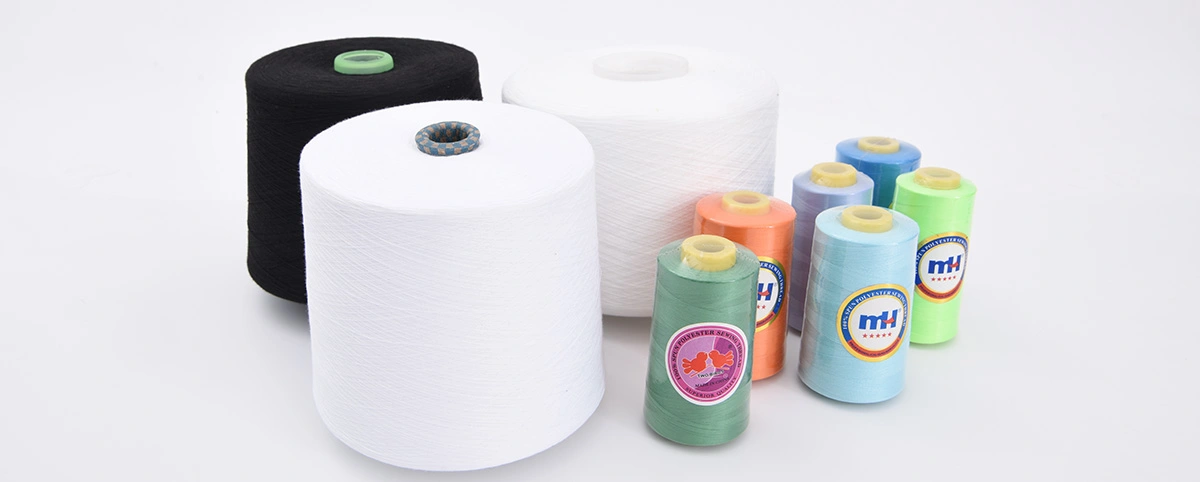
Polyester is the industry standard for garment manufacturing, and spun polyester thread is the ideal choice for a variety of sewing projects due to its durability and versatility. MH supplies high-tenacity spun polyester thread known for its durability, resistance to chemicals, and colorfastness. Spun polyester thread combines the strength and durability of polyester with a soft touch and a subtle sheen that rivals that of cotton.
Its low-lint properties make it ideal for high-speed sewing machines, reducing the frequency of maintenance and cleaning. Spun polyester thread offers excellent colorfastness, maintaining its vibrant hue even after repeated washing or exposure to sunlight. The thread weight of spun polyester thread is typically 50S/3, making it suitable for a variety of fabric types. Polyester thread is best for synthetics, while cotton thread is ideal for natural fibers. ThreadArt provides a wide range of high-quality spun polyester thread that is versatile and reliable for various sewing projects. Spun polyester thread from ThreadArt is designed to deliver exceptional results and combines strength and durability with a soft touch.
Machine Embroidery Thread
Unlike construction thread, embroidery thread is designed for decorative purposes. It typically features a higher sheen (often rayon or trilobal polyester). To prevent breakage, machines require specific tension settings and the use of appropriate stabilizers during the embroidery process.
Quilting Thread
Quilting requires specific tensile strength to hold multiple layers of fabric. While cotton is traditional, many industrial quilters prefer polyester for its superior strength-to-weight ratio. Selecting the correct thread weight is essential to prevent the thread from overpowering the fabric design.
All-Purpose and Hand Sewing Options
Purpose Thread: A versatile, all-in-one sewing thread suitable for various projects, purpose thread is designed to handle different fabrics and uses, ensuring durability, colorfastness, and smooth operation. BlesSew offers a collection of sewing threads available in convenient packs of 6, 10, or 24 spools, each containing 1000 yards of thread. Our all-purpose thread is excellent for everyday sewing tasks on domestic or basic sewing machines. Additionally, our spun polyester thread is a reliable and versatile choice for all your sewing endeavors.
Hand Sewing Thread: Often glazed or waxed to prevent tangling. It is generally not suitable for machine use as the coating can gum up tension discs and needles.
Matching Thread to Production Requirements
Selecting the right thread involves mapping specifications to the fabric weight and project type.
-
Lightweight Fabrics (Chiffon, Silk): Require fine threads (e.g., 60s/2 or finer) to prevent puckering.
-
Medium Weight (Cotton, Linen, Blends): Standard 40s/2 all-purpose polyester is the primary choice for general apparel.
-
Heavy Weight (Denim, Canvas): Requires thick, strong threads (e.g., 20s/2 or 20s/3) for structural durability.
Assessing Thread Quality
Procurement managers must evaluate thread quality to prevent production bottlenecks.
-
Good Quality Indicators: Uniform thickness, consistent twist, high tensile strength, and color consistency between batches.
Quality brands like Gütermann and Coats & Clark are recommended to avoid issues like fraying or breaking.
-
Poor Quality Signs: Excessive fuzz, knots, uneven twisting, or easy breakage under moderate tension.
Colorfast thread is crafted from premium 40/2 spun polyester and is available in a range of vibrant, azo-free colors, offering both quality and convenience.
-
Stress Test: A simple manual pull test can reveal weak points. If a spool snaps easily or shreds, it is unsuitable for industrial machinery.
Stock thread is available in various spool sizes, and consistent dyeing across sizes is important to match project needs.
Troubleshooting and Maintenance
Thread breakage is a common issue on factory floors. It often stems from incorrect machine settings rather than the thread itself. Common solutions include:
-
Tension Adjustment: Ensure top and bobbin tension are balanced.
-
Cleaning: Remove lint buildup from the bobbin case and tension discs regularly.
-
Needle Compatibility: Use the correct needle size. A needle that is too small for the thread causes friction and shredding.
Additionally, you can upgrade your sewing projects by choosing higher-quality or more durable sewing thread for machine use, which helps reduce breakage and improves overall results.
Buying Guide: Sourcing from MH
When sourcing bulk sewing thread, polyester remains the most versatile and cost-effective choice for large-scale production.
We sell our sewing thread collection in convenient packs of 6, 10, or 24, making it easy to purchase the right amount for your needs. We also sell our cotton thread in little sets so you always have the right shade at hand.
MH operates as a direct manufacturer and B2B supplier, offering a make-to-order production model. This allows for full customization of spool sizes, colors, and specifications to meet precise factory requirements. Wholesalers and distributors benefit from this model by receiving fresh stock tailored to current market demands rather than aging inventory.
Common Spool Specifications
|
Application |
Thread Count |
Recommended Spool Size |
|---|---|---|
|
General Apparel |
40s/2 |
5,000 yards / 10,000 yards |
|
Heavy Duty / Denim |
20s/2 |
3,000 yards / 5,000 yards |
|
Overlock / Serging |
150D/1 |
10,000 yards / 15,000 yards |
Sustainability and Certifications
Modern supply chains increasingly demand eco-friendly inputs. MH products meet international standards, including OEKO-TEX certification, ensuring they are free from harmful substances. Additionally, industrial buyers are encouraged to recycle or repurpose empty plastic cones and spools to minimize waste.


Quick Reference Checklist
-
Fabric Weight: Match thread weight inversely (Heavy fabric = Thicker thread; Light fabric = Finer thread).
-
Color Matching: Choose thread colors that closely match your fabric, with a variety of shades available, including multiple options for brown to suit different sewing projects.
-
Needle: Ensure the needle eye is large enough for the thread to pass freely.
-
Storage: Store thread away from direct sunlight and dust to maintain lubricant properties.
-
Sourcing: Contact MH for customized, make-to-order bulk supply.
For detailed size charts and technical specifications, consult the MH E-CATALOG or contact the sales team directly for a consultation.
