
How to Choose the Right Sewing Elastic Thread for Sewing Applications?

The global apparel industry increasingly demands flexible, comfortable garments that accommodate active lifestyles and diverse body types. At the foundation of this manufacturing trend lies sewing elastic thread—a specialized material that enables factories to create stretch zones, decorative gathering effects, and functional waistbands efficiently. As a leading B2B supplier, MH provides comprehensive sewing elastic thread solutions to garment manufacturers across 150+ countries, supporting everything from activewear production to intimate apparel manufacturing.
This industrial guide delivers the technical specifications, application methods, and production guidelines that factory managers and wholesale buyers need to integrate sewing elastic thread into their manufacturing operations successfully. Our verification successful waiting process ensures quality consistency across large-scale production runs, while our OEM/ODM capabilities support custom requirements for major brands and distributors.
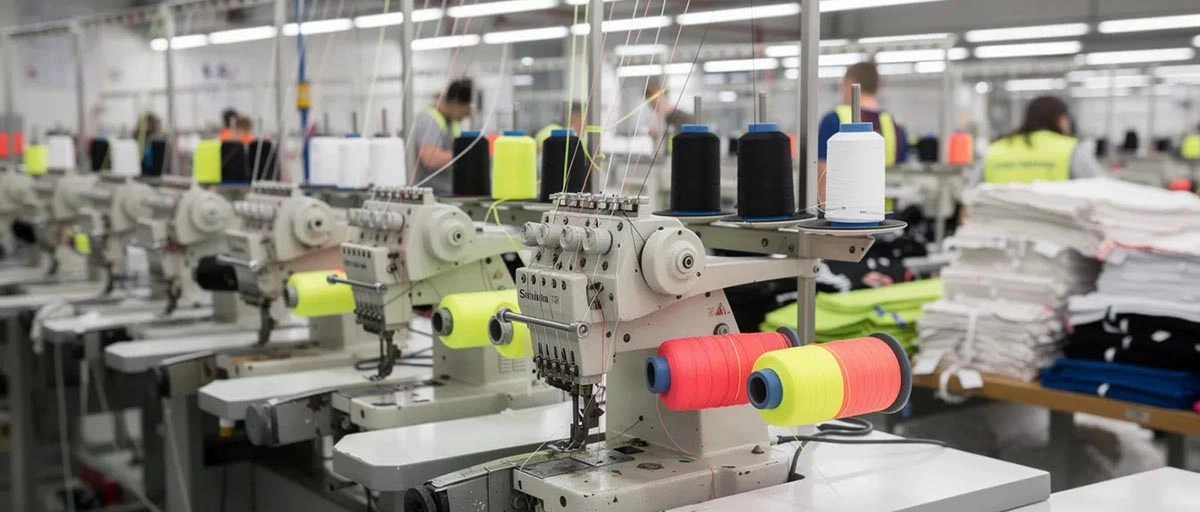
What is Sewing Elastic Thread
Sewing elastic thread represents a specialized category of stretchable thread engineered specifically for industrial garment production. Unlike regular thread that provides structural joining, elastic thread serves dual purposes: creating seams that accommodate fabric stretch and generating controlled gathering effects through its inherent elasticity.
The structure composition consists of an elastic core—typically rubber or spandex—wrapped with polyester or cotton fibers. This construction allows the thread to function as both a sewing element and an elastic component within the finished garment. The wrapping fibers provide compatibility with standard sewing machines while the elastic core delivers the stretch performance required for modern apparel.
Standard diameter ranges from 0.5mm to 1.2mm accommodate different manufacturing applications. Lighter weights suit delicate fabrics like double gauze and chiffon, while heavier specifications handle robust materials used in outerwear and sportswear production. This range ensures factories can select appropriate thread weights for their specific fabric types and construction requirements.
The fundamental difference between shirring elastic thread and regular sewing threads lies in functionality and application method. Regular thread creates permanent joins between fabric pieces, while shirring elastic generates controlled gathering effects and accommodates fabric movement. When wound onto the bobbin and used as the bobbin case thread, elastic thread creates distinctive shirring lines that enhance both aesthetic appeal and functional stretch.
Key Characteristics of Industrial Sewing Elastic Thread
Industrial sewing elastic thread delivers consistent performance across high-volume production environments through several critical characteristics that distinguish it from consumer-grade alternatives.
Stretch Recovery Performance Professional-grade elastic thread achieves 300-500% elongation with consistent return to original length throughout repeated stretch cycles. This recovery rate ensures garments maintain their intended fit and appearance even after extended wear and multiple washing cycles. The verification process for stretch recovery involves standardized testing protocols that measure thread performance under controlled tension conditions.
Temperature Resistance Specifications Industrial washing and pressing cycles subject garments to temperatures reaching 180°F (82°C) during commercial laundering. Quality sewing elastic thread maintains its elasticity and structural integrity throughout these thermal processes without degradation or permanent elongation. This temperature resistance proves essential for garments entering commercial laundry systems or requiring high-heat pressing operations.
Chemical Resistance Properties Garment processing treatments including bleaching, dyeing, and chemical finishing can compromise thread performance. Industrial-grade elastic thread demonstrates resistance to chlorine bleach, hydrogen peroxide treatments, and standard textile dyes used in mass production. This chemical stability ensures thread performance remains consistent regardless of fabric treatment sequences.
Colorfastness Standards Commercial laundry standards require threads to maintain color integrity through repeated washing cycles. Professional elastic thread meets Grade 4-5 colorfastness ratings according to AATCC testing protocols, preventing color bleeding or fading that could compromise finished garment appearance.
Tensile Strength for Production Lines High-volume production lines operate at speeds that stress thread materials beyond typical home sewing applications. Industrial elastic thread specifications include minimum tensile strength ratings of 2-4 pounds depending on thread weight, ensuring consistent performance through automated feeding systems and rapid machine operation.
Specifications and Types for Manufacturing
Understanding thread specifications enables factories to select appropriate materials for specific applications and maintain consistent production quality across large orders. When loading elastic thread into your sewing machine, always follow the usual procedure for your specific model when inserting the bobbin. This ensures proper tension and optimal performance, especially when working with different thread types.
|
Thread Weight |
Denier Rating |
Recommended Applications |
Breaking Strength |
Typical Color Options |
|---|---|---|---|---|
|
120D |
Lightweight |
Lingerie, swimwear, delicate shirring |
2.2 lbs |
25+ standard colors |
|
150D |
Medium-light |
Blouses, children’s wear, decorative gathering |
2.8 lbs |
35+ standard colors |
|
200D |
Medium |
Activewear, casual wear, functional waistbands |
3.5 lbs |
45+ standard colors |
|
300D |
Heavy |
Outerwear, denim, industrial applications |
4.2 lbs |
20+ standard colors |
Color Range and Customization MH maintains inventory of 50+ standard colors including essential production colors: black, white, navy, gray, and red. Custom color matching services accommodate brand-specific requirements with minimum order quantities starting at 1000kg per color. Our ray id verification system ensures color consistency across production batches and multiple orders.
Package Formats for Industrial Use
-
5000-yard cones: Standard factory packaging for medium-volume production
-
10000-yard king spools: High-efficiency option for continuous production lines
-
Large cone formats: 20,000+ yard capacity for major manufacturing operations
-
Bulk 50kg packages: Economic packaging for distributors and high-volume manufacturers
Quality Standards and Certifications All MH elastic thread products carry Oeko-Tex Standard 100 certification, ensuring safety for direct skin contact applications. This certification proves particularly important for intimate apparel, children’s clothing, and activewear where thread comes into contact with sensitive skin areas.
Tolerance Specifications Diameter consistency maintains ±0.05mm tolerance across production runs, ensuring uniform performance in automated machinery systems. This precision prevents feeding issues and maintains consistent stitch formation throughout mass production operations.
Industrial Applications in Garment Manufacturing
Sewing elastic thread serves multiple functions across diverse garment categories, each requiring specific application techniques and machine settings for optimal results.
Waistband Construction Applications Activewear, loungewear, and children’s clothing lines utilize elastic thread for creating comfortable, adjustable waistbands without traditional elastic insertion. This technique reduces material costs and eliminates the bulky feel associated with conventional elastic waistbands. The thread integrates directly into the seam line, creating a smooth finish that accommodates various body sizes within a single garment size.
Sleeve and Neckline Finishing Knit garments and casual wear benefit from elastic thread applications at sleeve cuffs and neckline areas. The stretchy seam accommodates the natural stretch of knit fabrics while preventing overstretching that leads to distorted necklines. This application proves particularly valuable in children’s wear where fit flexibility enhances comfort and extends garment life.
Shirring Applications in Fashion Production Women’s fashion, swimwear, and intimate apparel frequently feature shirring as both decorative and functional elements. Elastic thread enables factories to create multiple shirring lines efficiently, generating fabric gathers that result in ruched and flexible textures, enhancing garment fit and visual appeal. Shirring is commonly used in dresses to create a fitted, stylish look that flatters the figure. The shirring tutorials for industrial application focus on maintaining consistent tension and spacing across production runs.
Decorative Gathering Effects High-volume fashion production leverages elastic thread for creating textured surfaces and dimensional effects. These applications range from subtle gathering at bodice areas to dramatic shirring across entire garment sections, helping garments conform to the wearer's figure for a more tailored appearance. The consistency possible with machine application makes these effects economically viable for mass production.
Functional Stretch Zones Sportswear and performance clothing require localized stretch areas that accommodate body movement without compromising overall garment structure. Elastic thread creates these targeted stretch zones while maintaining the integrity of the surrounding fabric structure.
Factory Machine Settings and Production Guidelines
Successful elastic thread implementation requires specific machine adjustments and operational procedures that differ from standard thread applications.
Bobbin Winding Procedures Hand wind elastic thread onto bobbins to maintain proper tension control throughout the winding process. Automated bobbin winding systems often apply excessive tension that pre-stretches the thread, reducing its effectiveness in creating gathering effects. The hand winding process allows operators to monitor thread tension visually and maintain consistency.
When loading the drop in bobbin, ensure the thread feeds smoothly without binding or excessive tension. The bobbin case should accommodate the elastic thread without requiring modification, though some machines may benefit from slight tension adjustments to the bobbin case spring.
Machine Tension Adjustments Top thread tension typically requires reduction by 1-2 settings from normal operation to accommodate the elastic properties of the bobbin thread. The presser foot pressure may need adjustment depending on fabric weight and desired gathering intensity. Test samples should verify proper thread interaction before starting production runs.
Stitch Length Specifications Optimal stitch length ranges from 3.5-4.5mm depending on fabric weight and desired gathering density. Shorter stitches create tighter gathering effects but may stress the elastic thread excessively. Longer stitches provide looser gathering with reduced thread stress, extending thread life and reducing breakage.
Production Speed Guidelines Maximum sewing speeds should not exceed 3000 stitches per minute when using elastic thread to prevent thread breakage and ensure consistent gathering formation. Slower speeds allow proper thread engagement and reduce heat buildup that can compromise elastic properties.
Start sewing gradually to establish proper thread interaction before reaching normal operating speeds. When beginning, carefully mark and sew the first row of stitches, as the first row sets the standard for all subsequent rows and is crucial for maintaining straightness and symmetry, especially if sewing in a spiral or circular pattern. Use fabric markings or the edge of the presser foot as a guide to help keep your shirring straight and evenly spaced. After completing each row or section, tie a knot to secure the elastic thread ends, ensuring durability and a neat finish. The first line of stitching often requires operator attention to verify proper gathering formation and machine adjustment.
MH’s Wholesale Sewing Elastic Thread Solutions
As a specialized B2B manufacturer, MH delivers comprehensive elastic thread solutions designed specifically for industrial garment production requirements.
Global Supply Capacity MH maintains production capacity exceeding 500 tons monthly, ensuring reliable supply for large-scale manufacturing operations. Our global distribution network supports direct shipping to factories across 150+ countries with consolidated order capabilities that reduce shipping costs and delivery times for major customers.
OEM/ODM Service Capabilities Custom color matching services accommodate brand-specific requirements with precise color verification systems. Private labeling options support distributors and large-scale manufacturers requiring branded packaging. Custom packaging configurations include specialized cone sizes, bulk containers, and automated dispensing systems for high-volume production lines.
Quality Assurance Standards ISO 9001 certified manufacturing processes ensure consistent quality across all production batches. Batch traceability systems enable rapid identification and resolution of any quality issues while maintaining detailed records for customer verification. Our security connection protocols protect proprietary information during custom development projects.
Technical Support Services On-site training programs help factory operators optimize their elastic thread applications and troubleshoot production issues. Production optimization consultation identifies opportunities for efficiency improvements and quality enhancement. Our technical team provides sample review services and application testing to verify thread suitability before major orders.
Logistics and Distribution Network Direct shipping arrangements eliminate intermediary costs while ensuring product integrity throughout transportation. Consolidated order services combine multiple thread types and weights into single shipments, reducing logistics complexity for customers operating diverse production lines.
Contact MH for Industrial Sewing Elastic Thread Supply
MH operates exclusively in the B2B wholesale market, providing specialized sewing thread solutions for garment manufacturers, distributors, and industrial customers worldwide.
B2B Inquiry Process Wholesale pricing and technical specifications are available through our dedicated industrial sales team. Product inquiries should include intended application details, required quantities, and delivery schedule requirements. Our verification successful waiting process ensures technical compatibility before order processing.
Sample Request Procedures Production trials require specific sample materials that match intended manufacturing applications. Sample requests should specify fabric types, thread weights, and gathering effects desired. Technical consultation accompanies all sample shipments to optimize application techniques.
Partnership Development Long-term supply agreements provide volume discounts and priority allocation during peak production seasons. Partnership opportunities include collaborative development of specialized thread formulations and exclusive distribution arrangements for specific geographic regions.
Important Notice: Wholesale Only MH supplies wholesale quantities exclusively—minimum orders apply for all products. We do not sell retail quantities or small sample amounts outside our formal sampling program. Our business model focuses on supporting industrial manufacturing operations through reliable, high-volume supply relationships.
For immediate assistance with your industrial sewing elastic thread requirements, contact our B2B sales team to discuss specifications, volume pricing, and delivery schedules that meet your manufacturing timeline. Our technical support team stands ready to help optimize your production processes and achieve consistent quality results across your entire product line.